Dog Behavior Problems: What Owners Can Do
Dog Won’t Listen? What Owners Can Do
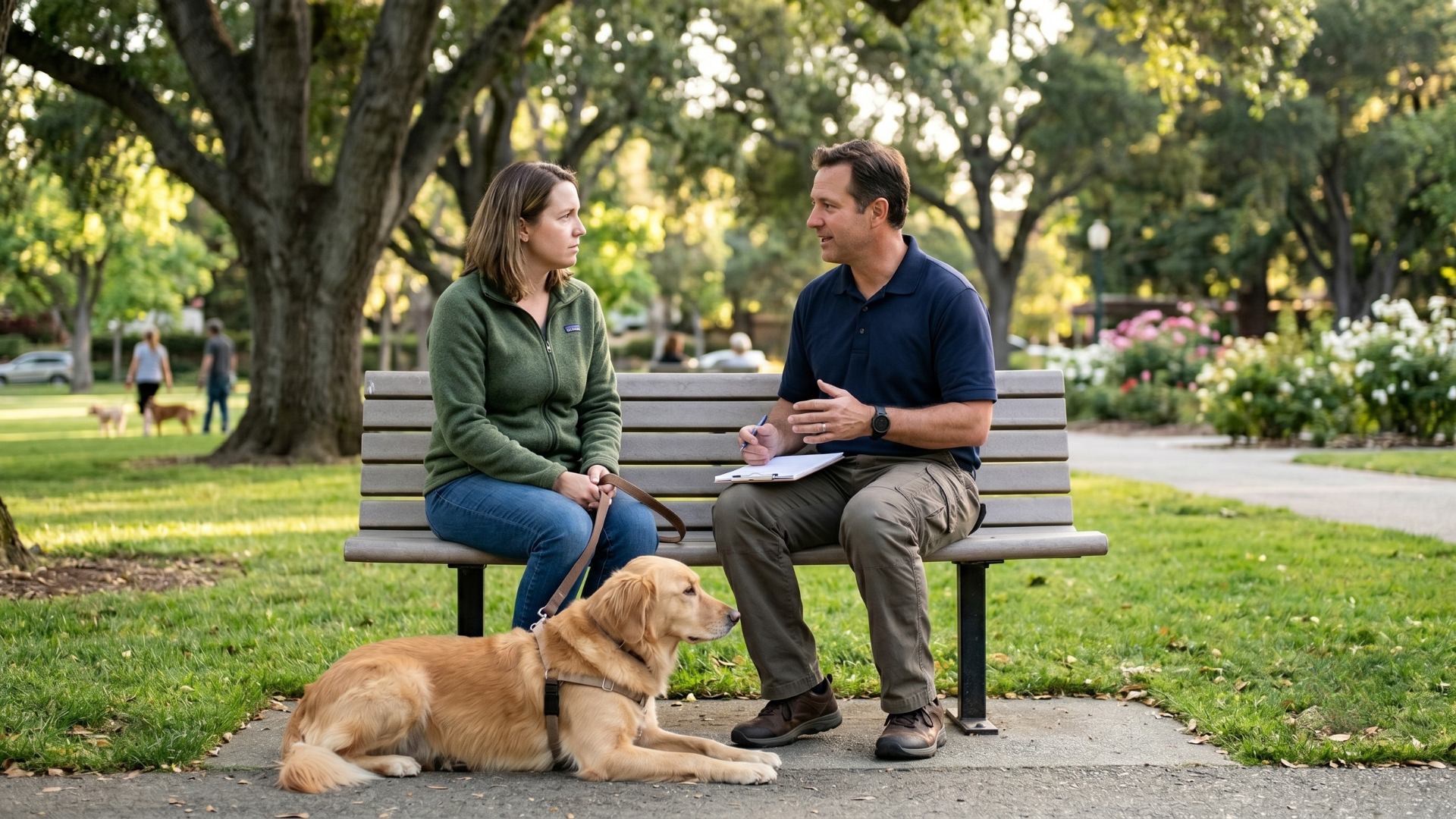
A dog that ignores commands, pulls hard on the leash, barks at every sound, or reacts badly around people can leave owners feeling stuck. Many frustrated dog owners try treats, corrections, new collars, or online tips, only to see the same behavior return.
Dog behavior problems usually have a reason. Sometimes the dog is confused. Sometimes the behavior comes from fear, stress, poor structure, or habits that have been repeated for months. In Walnut Creek, busy neighborhoods, parks, trails, and shared public spaces can make these issues even harder to manage.
The good news is that most behavior can improve with the right plan. The first step is understanding what your dog is really communicating and choosing training solutions that fit the dog, the owner, and the environment.
Why Does My Dog Ignore Me?

A disobedient dog is not always trying to be stubborn. Many dogs ignore commands because they do not fully understand what is being asked, especially when distractions are present. A dog may sit perfectly in the kitchen but act like it has never heard the word “sit” at a park.
That gap usually means the dog has not learned how to respond under pressure. Dogs need clear repetition, timing, and structure before a behavior becomes reliable in daily life.
Your Dog May Be Overstimulated
Some dogs stop listening because the world around them is too exciting. Squirrels, passing dogs, children, traffic, and unfamiliar smells can quickly overpower an owner’s voice.
This is common in active areas around Walnut Creek, where dogs may be exposed to busy sidewalks, dog-friendly spaces, and outdoor recreation. Training must teach the dog how to stay focused even when the environment is not calm.
Your Dog May Not Understand the Rules
Owners often assume their dog knows better. In reality, the rules may not be clear or consistent. If jumping is allowed sometimes but corrected other times, the dog will keep testing the behavior.
Reliable obedience starts with simple expectations that are repeated the same way each time. For dogs that need more structure,
K9 Training and Obedience Programs in Walnut Creek can help build clearer communication between dog and owner.
What Causes Dog Behavior Problems?
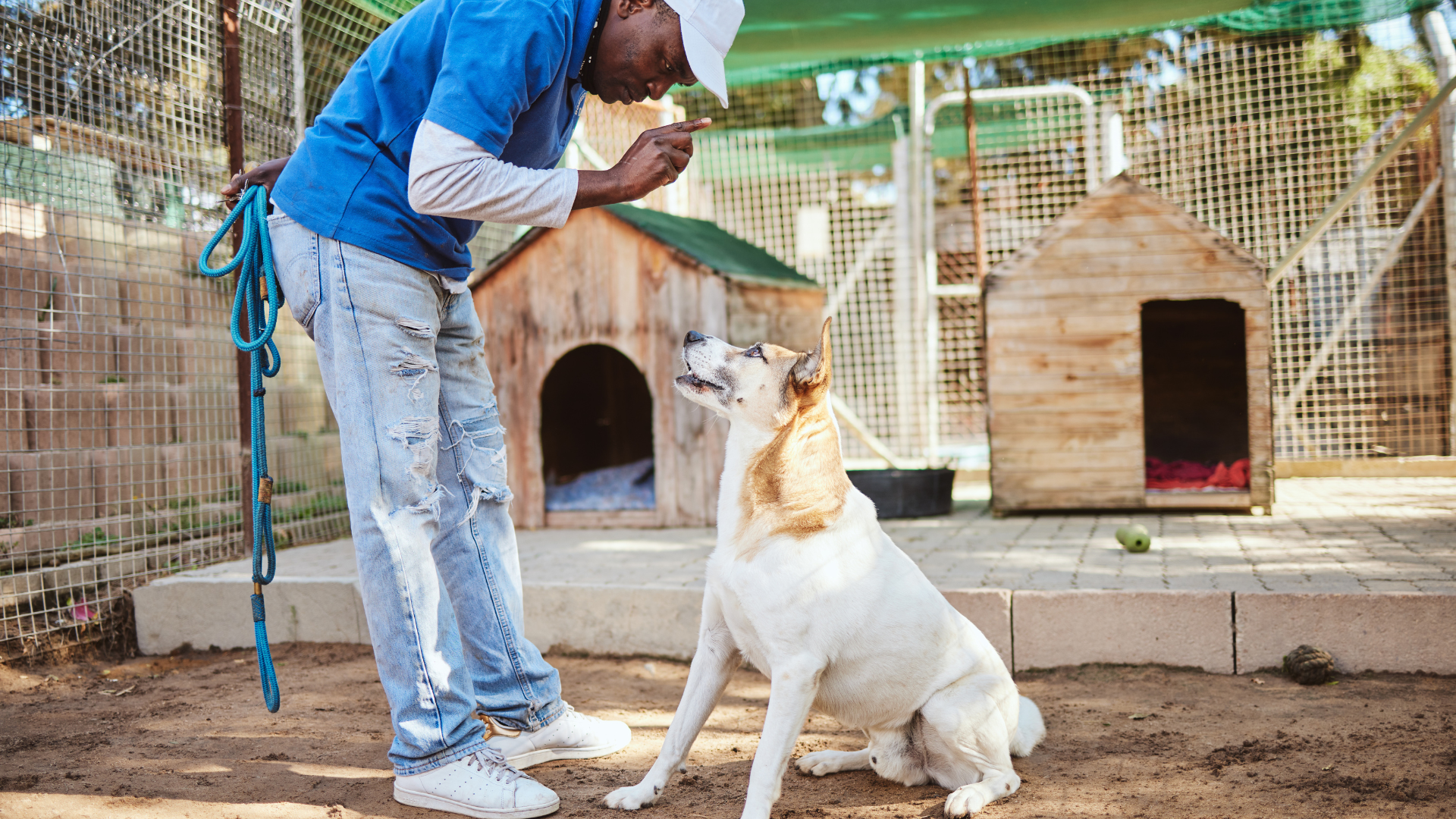
Dog behavior problems can come from several sources. Some begin during puppyhood when boundaries are never fully taught. Others develop after a stressful event, lack of social exposure, or repeated rehearsal of unwanted behavior.
The longer a behavior continues, the more normal it feels to the dog. Barking, lunging, growling, resource guarding, and ignoring commands can all become practiced responses.
Fear and Anxiety Can Look Like Defiance
A dog that barks, snaps, hides, or refuses to move may not be “bad.” It may be overwhelmed. Fear-based behavior often shows up when a dog feels trapped, pressured, or unsure how to escape a situation.
This is why punishment alone often fails. It may stop the behavior for a moment, but it does not teach the dog how to feel safer or make better choices.
Poor Leash Manners Can Build Frustration
Leash problems are one of the biggest complaints from dog owners. Pulling, lunging, barking, and spinning can turn a simple walk into a stressful routine.
For large breeds, this can become a safety issue quickly. Owners dealing with powerful dogs may benefit from
Large Dog Training in Walnut Creek when size, strength, and control are part of the concern.
When Should Owners Get Help?
Some issues can improve with better consistency at home. Others need professional evaluation, especially when the behavior affects safety or quality of life. Waiting too long can make the problem harder to change.
If your dog has shown aggression control issues, such as growling, snapping, biting, guarding food, or reacting strongly to strangers or other dogs, it is time to get help. Early guidance can reduce risk and give the dog a better path forward.
Warning Signs That Need Attention
Owners should take behavior seriously when the dog’s reaction feels difficult to interrupt. This includes lunging at people, redirecting frustration onto the handler, guarding spaces, or becoming unpredictable in public.
These signs do not mean your dog is hopeless. They mean the training plan needs to be specific and realistic.
A Board and Train Program May Help Some Dogs
Some dogs need more than short practice sessions at home. They may need a controlled setting where habits can be reset with consistent daily work.
For dogs that need structure, repetition, and guided behavior change,
Board and Train Programs in Walnut Creek may be a helpful option. This can be especially useful when owners feel overwhelmed and need a clearer foundation to continue at home.
What Can Owners Do at Home First?

Before changing everything at once, start with the basics. Dogs improve faster when the household routine supports the training goal. That means fewer mixed signals and more calm repetition.
Set clear rules around doors, meals, walks, furniture, and greetings. Practice short sessions in low-distraction areas before expecting your dog to listen outside.
Reward Calm Choices
Many owners only react when the dog makes a mistake. Instead, look for calm behavior and reward it. This teaches the dog what to do, not just what to avoid.
A dog lying quietly, checking in during a walk, or waiting before going through a door is making a good choice. Marking and rewarding those moments can help shape better habits.
Avoid Practicing the Wrong Behavior
Every time a dog lunges at another dog, pulls to a smell, or barks until the delivery person leaves, the behavior gets stronger. Management matters while training is in progress.
Use distance, structure, and controlled setups to prevent repeated failure. For dogs showing protective behavior or serious reactivity,
Protection Dog Training in Walnut Creek may be relevant when the goal is better control, clarity, and safety rather than uncontrolled guarding.
Why Professional Evaluation Matters
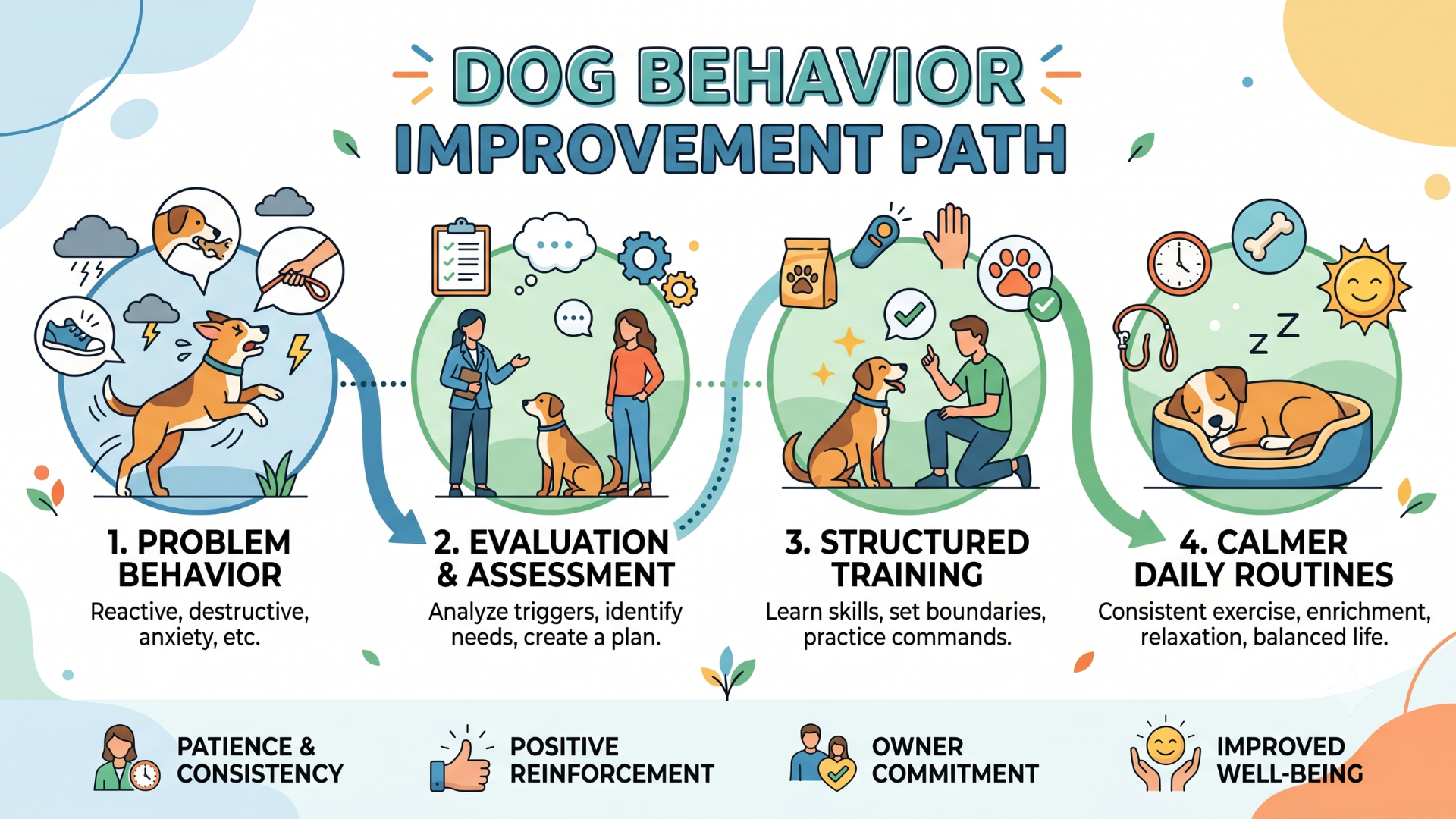
A professional evaluation helps identify why the behavior is happening and what kind of training plan is realistic. Two dogs may bark for completely different reasons. One may be fearful, while another may be frustrated, territorial, or lacking boundaries.
Central Valley K9 focuses on understanding the dog before recommending training solutions. That matters because the wrong approach can make dog behavior problems worse, especially when fear or aggression is involved.
A trainer can also help the owner learn timing, handling, and follow-through. Training is not only about changing the dog. It is also about helping the owner feel confident and prepared.
Dog Behavior Help in Walnut Creek, CA
Walnut Creek dog owners often need reliable behavior support because daily life includes neighborhood walks, visitors, parks, traffic, and close contact with other dogs. A dog that struggles in those settings can make normal routines feel tense. With the right structure and professional guidance, owners in Walnut Creek can work toward safer walks, calmer home behavior, and a stronger relationship with their dog.
Call Central Valley K9 for an Evaluation
If you are dealing with dog behavior problems and feel unsure what to do next, call Central Valley K9 at 209-256-1853. An evaluation can help identify what is driving the behavior and which training path may be the best fit.
Frequently Asked Questions
Why does my dog listen at home but not outside?
Your dog may understand commands in quiet spaces but not around distractions. Dogs need training in different environments before obedience becomes dependable. Start with easy settings, then slowly add more distraction.
Can an aggressive dog be trained?
Many dogs with aggression control concerns can improve with the right plan, but the cause of the aggression matters. Fear, frustration, guarding, and poor handling all require different approaches. A professional evaluation is the safest first step.
What should I do if my dog keeps pulling on the leash?
Stop letting the dog rehearse pulling as the normal way to move forward. Use structured walks, reward check-ins, and practice in calmer areas before going into busier places. Strong or reactive dogs may need professional training support.
Is my dog being stubborn or confused?
What looks like stubbornness is often confusion, overstimulation, or lack of consistent training. Dogs need clear expectations and repetition before they can respond reliably. If the behavior only happens in certain places, distractions may be the real issue.
When should I consider behavior rehabilitation?
Behavior rehabilitation may be needed when the dog’s actions are intense, repeated, or unsafe. This includes biting, severe reactivity, guarding, or behavior that disrupts daily life. The sooner the issue is evaluated, the better the chance of improvement.
A dog that will not listen can make everyday life frustrating, but the behavior usually has a cause and a path forward. If you are in Walnut Creek and need help understanding your dog’s behavior, Central Valley K9 can evaluate the problem and recommend the right next step.